Nutritional Strategies for PCOS and Hormonal Balance
Polycystic Ovary Syndrome (PCOS) impacts millions of young women across urban hubs like Delhi, Gurgaon, and Noida. While commonly considered purely a reproductive issue, PCOS is closely intertwined with systemic insulin resistance and low-grade inflammation.
When cells become sluggish in responding to insulin, the pancreas produces compensatory amounts of this storage hormone. Elevated circulating insulin stimulates ovarian theca cells to synthesize excess androgens, driving common symptoms such as irregular cycles, facial hair growth, cystic acne, and stubborn abdominal adiposity.
Key Dietary Pillars for PCOS Management
Dietary therapy focuses on enhancing insulin sensitivity and providing the micronutrient building blocks needed for hormone synthesis:
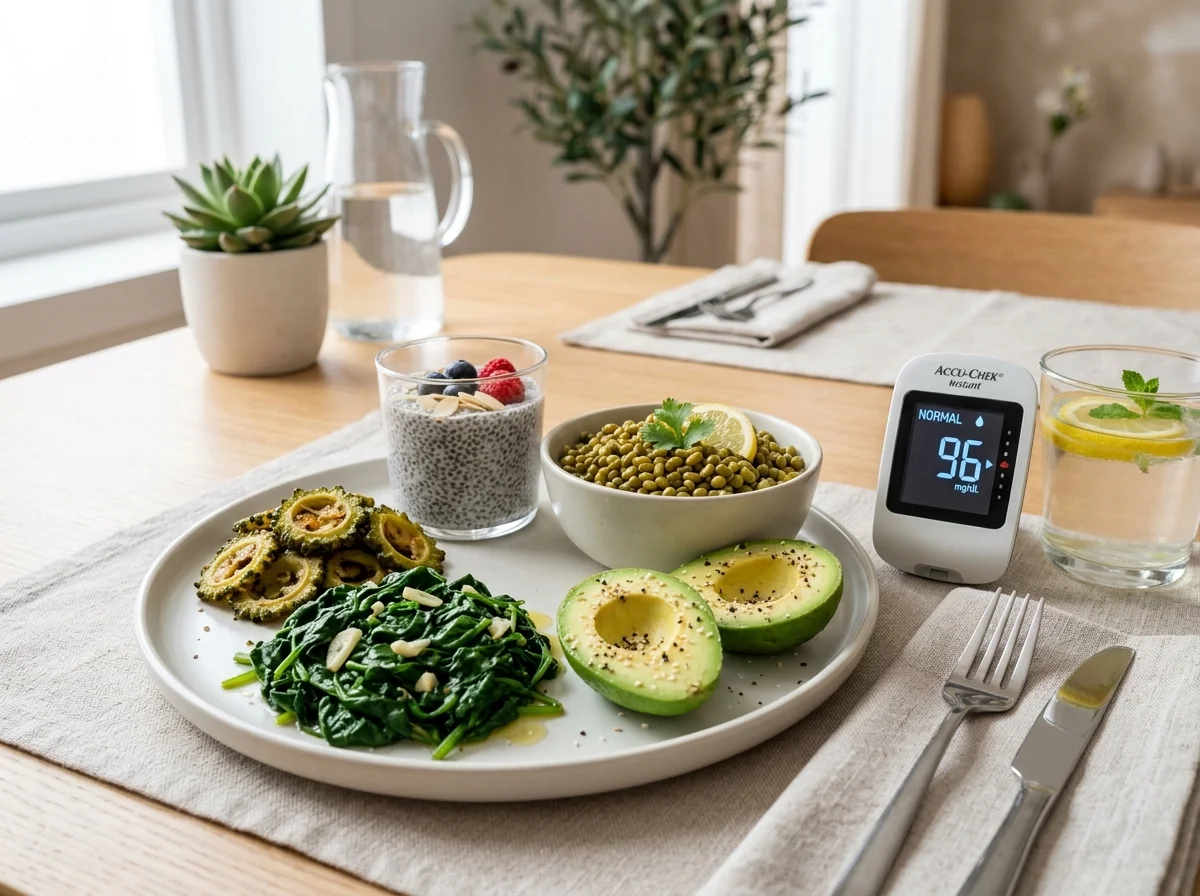
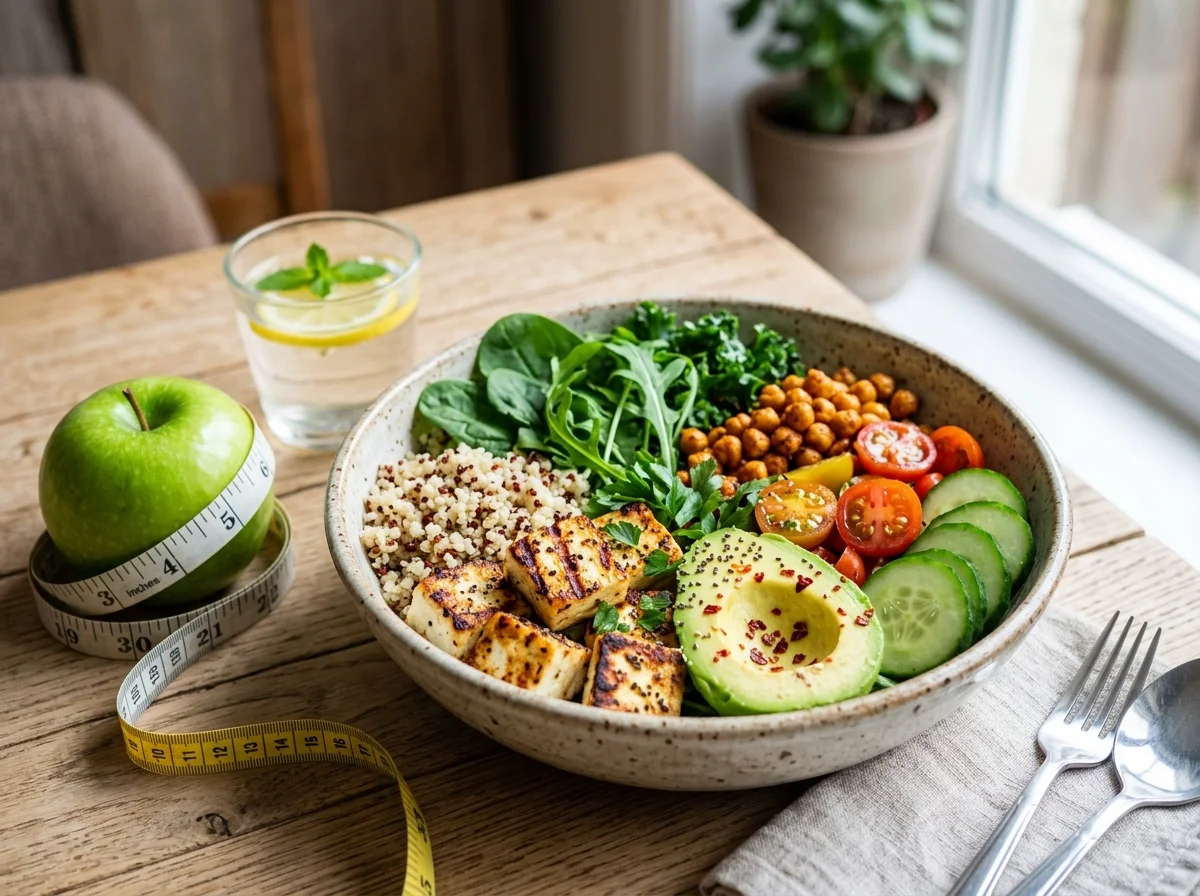
- Low Glycemic Index Focus: Emphasizing whole intact grains like rolled oats, quinoa, millets (foxtail, ragi), and pulses to minimize insulin spikes.
- Anti-Inflammatory Lipids: Incorporating cold-pressed mustard oil, flaxseeds, chia seeds, walnuts, and occasional extra virgin olive oil to balance cellular membrane health.
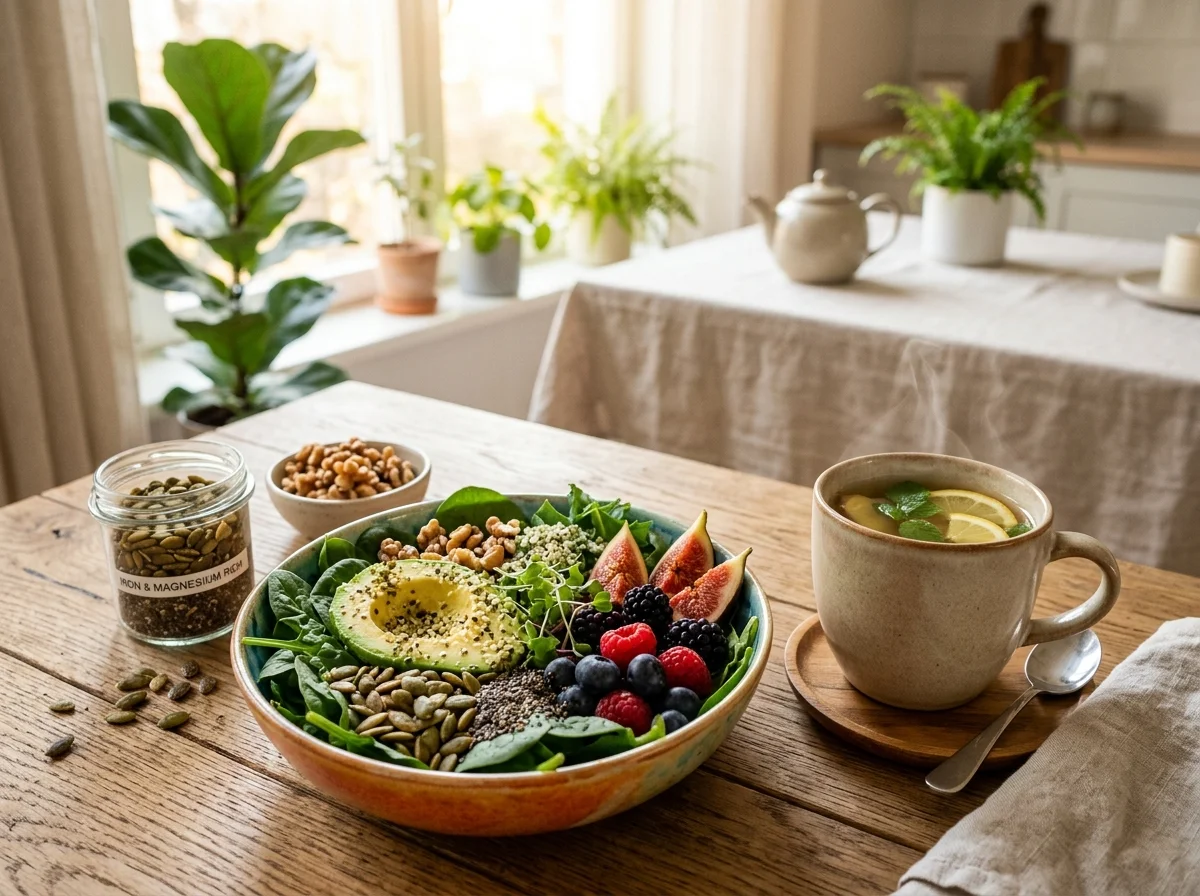
- Trace Minerals: Ensuring adequate zinc (pumpkin seeds), magnesium (leafy vegetables, soaked almonds), and selenium (sunflower seeds) for enzymatic hormone conversion.
The Role of Meal Timing
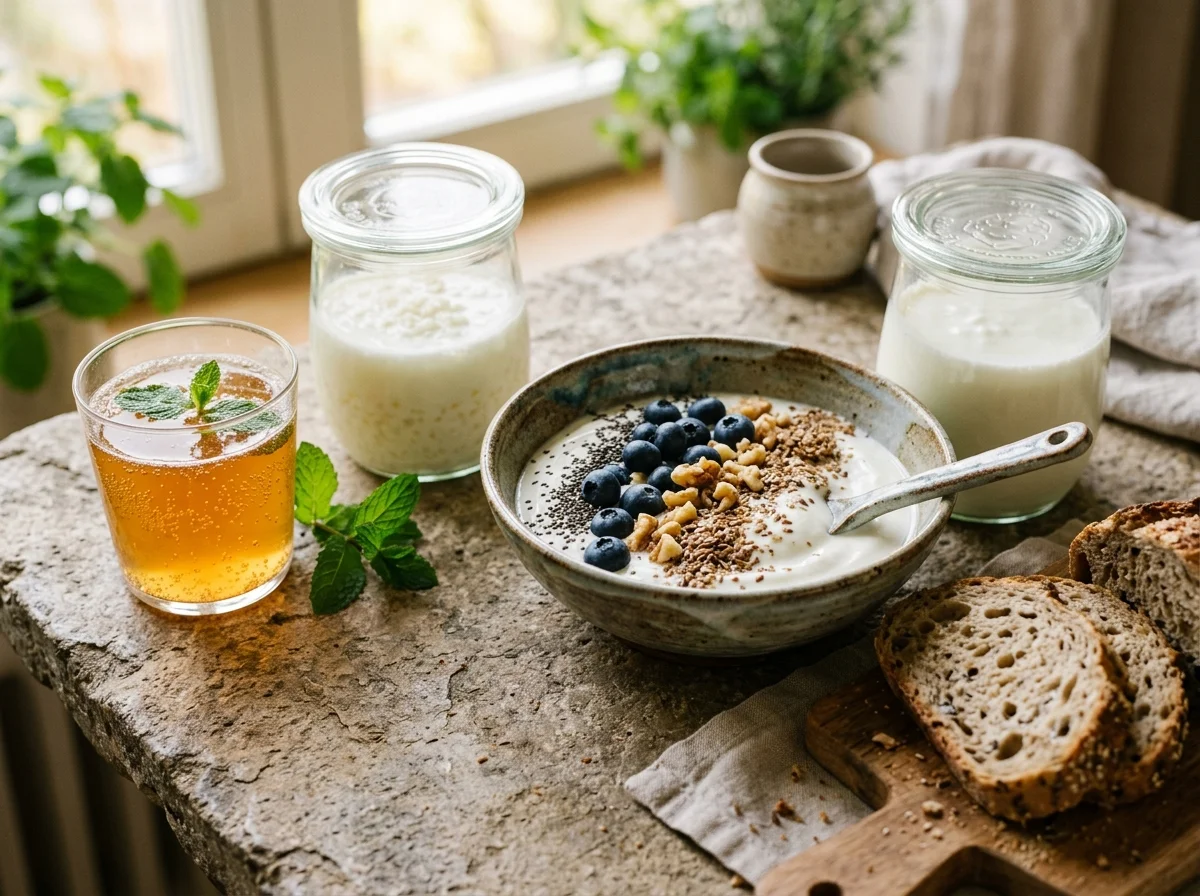
Eating in synchrony with circadian metabolic rhythms improves insulin sensitivity. Having a substantial, protein-rich breakfast followed by a moderate lunch and a lighter, earlier evening dinner helps balance nocturnal cortisol and glucose dynamics.