Managing Type 2 Diabetes With Traditional Indian Foods
A common misconception following a diabetes or pre-diabetes diagnosis in India is that one must entirely eliminate traditional staples like roti, dal, or rice. In clinical practice, long-term glycemic stability is achieved through smart meal structuring, portion calibration, and nutrient sequencing rather than severe restriction.
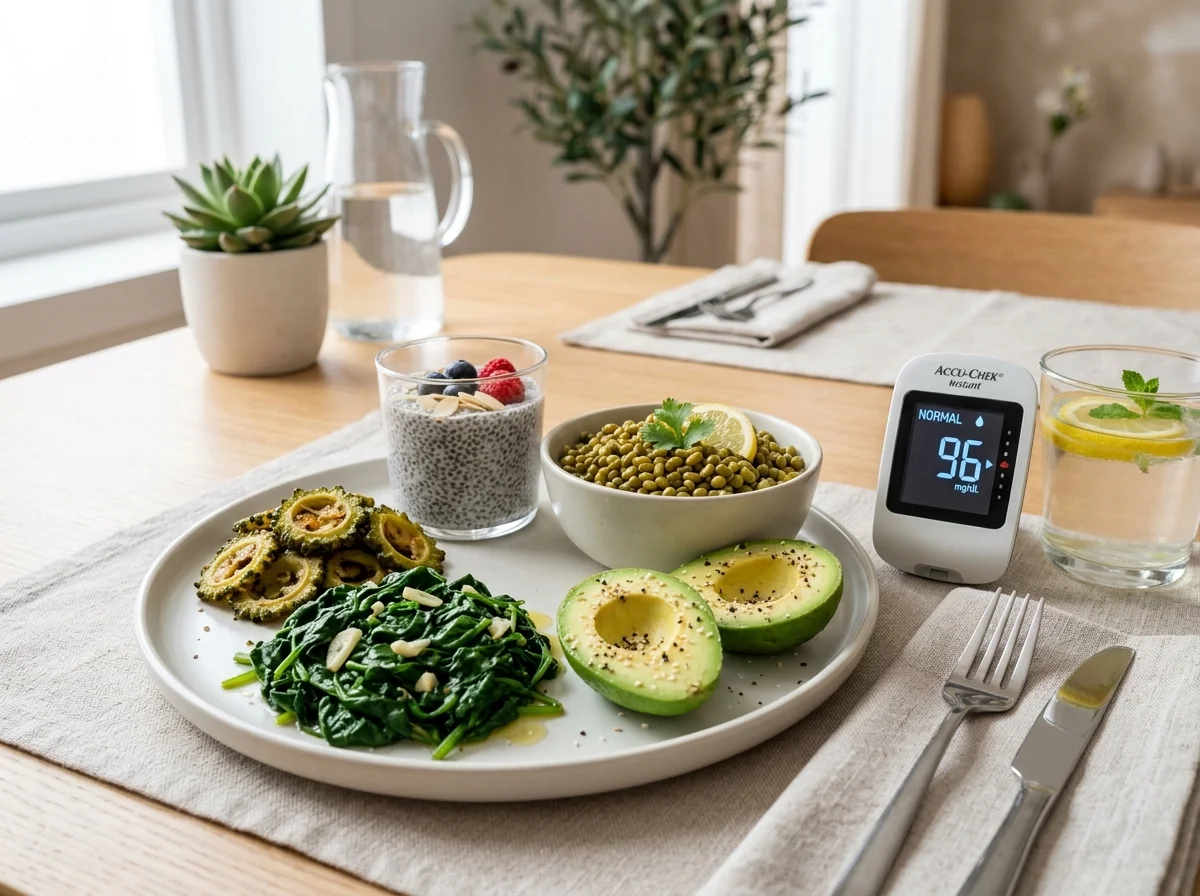
Indian cuisine contains an abundance of nutrient-dense, low-glycemic ingredients that naturally promote sustained glucose absorption. Lentils, whole grams (chana, moong, rajma), bitter gourds (karela), fenugreek (methi), and leafy greens are powerful culinary allies.
The Significance of Food Sequencing
Biochemical research indicates that the order in which you consume macronutrients during a meal significantly impacts postprandial glucose curves:
- Start with Dietary Fibre: Beginning your meal with a bowl of fresh cucumber, radish, tomato, or warm vegetable soup creates a viscous gel layer in the small intestine, slowing gastric emptying.
- Follow with Protein and Healthy Fats: Consuming paneer, boiled eggs, tofu, or curd stimulates the release of incretin hormones like GLP-1, which prompts timely insulin secretion and satiety.
- Finish with Complex Carbohydrates: Eating your multigrain roti or brown/parboiled rice last results in a markedly flatter post-meal blood sugar peak.
Flour Blends and Fiber Density
Commercial white wheat flour (maida) and overly refined whole wheat can lead to rapid glucose absorption. Incorporating coarseness and functional legumes, such as adding 25% roasted chana flour (sattu) or barley (jau) to whole wheat, markedly enhances both soluble fibre and protein density without compromising texture.
Regular consultations with a clinical dietitian help translate these biochemical principles into practical, enjoyable weekly diet charts tailored to your work routine and family dining habits.