Can't Find the Source of a Dead Animal Smell? Start With These Places
There is a particular frustration in knowing exactly what a smell is and being unable to find it. You have been through the house, checked the obvious spots, opened the manhole and had a look with a torch, and there is nothing.
The reassuring part is that the list of places this turns out to be is short. Animals die where they feel safe, which means enclosed, dark and hard to reach, and that narrows the search considerably.
First, Narrow It Down Before You Open Anything
Before pulling apart a wall or crawling into a roof space, spend twenty minutes gathering information.
- Turn off ducted heating and cooling. A running system moves odour through the whole house and makes it impossible to tell where it starts. Leave it off for several hours.
- Walk the house at three heights. Crouch at floor level, stand normally, then check near the ceiling. Decomposition odour pools low, but a roof cavity source is strongest high up.
- Check first thing in the morning. After a closed-up night the smell concentrates and the strongest room is easier to identify.
- Follow the flies. Blowflies clustering at a window, downlight or skirting board point directly at the source. So do maggots on a floor, which mean the animal is above that exact spot.
- Watch the pets. Cats and dogs fixate on the right spot days before people notice anything.
The Roof Cavity, Near the Edges
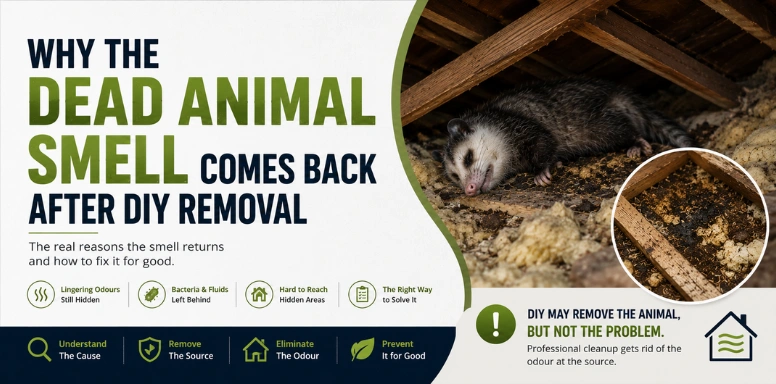
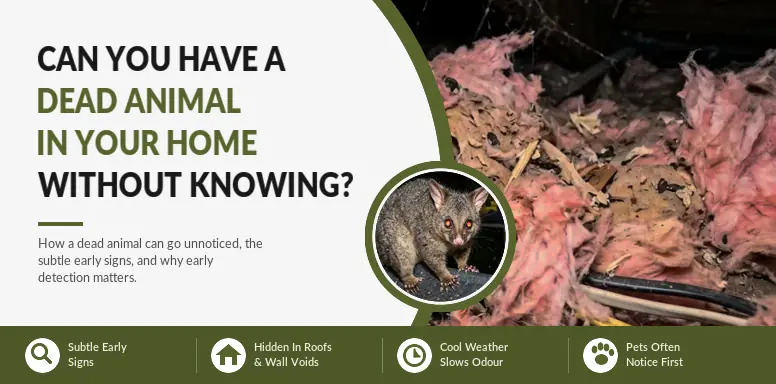
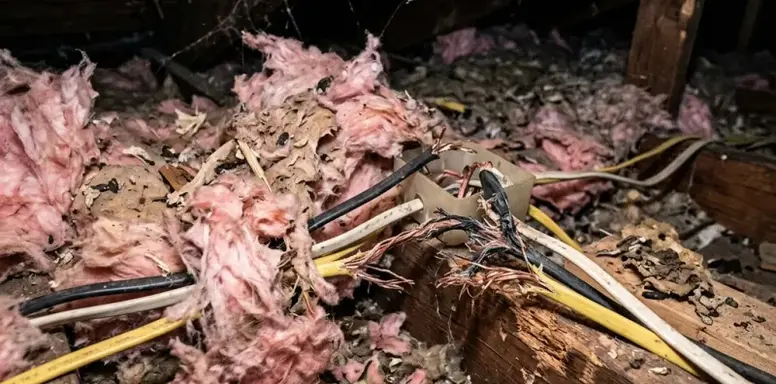
This is where most of them are, and the place people search badly. Most homeowners open the manhole, shine a torch across the middle and see nothing. Animals rarely die in the middle. They die at the perimeter, in the tight crawl space near the eaves, often behind or beneath insulation batts.
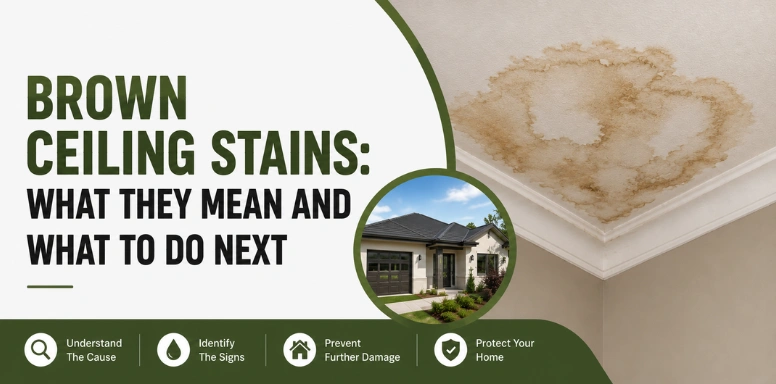
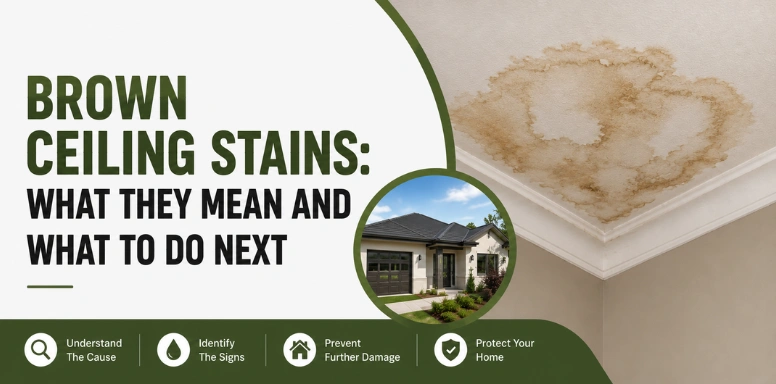
Look along the edges, under loose fill, around the tops of internal wall frames and where pipes and ducting penetrate the ceiling. A brown or yellow stain spreading on the ceiling below, with no plumbing above it, marks the spot precisely.
Inside a Wall Cavity
A rat or mouse that has taken bait will often make it into a wall before it dies, and the carcass ends up resting on a noggin or at the bottom plate. The giveaway is a smell that is strongly localised to one section of one wall and does not change much as you move away from it.
Check around power points, light switches and skirting gaps, since these are where cavity air escapes into the room. Flies gathering at a single power point is a reliable indicator.
The Subfloor
In a home on stumps or bearers, the subfloor is easy for cats, possums and rodents to get into and hard to get out of. The smell is worse at floor level, stronger in rooms near external walls, and noticeably stronger outside at the vents than indoors.
Check the perimeter vents from outside before going under. If one smells markedly worse than the others, you have narrowed the search to that corner of the house.
The Places People Forget
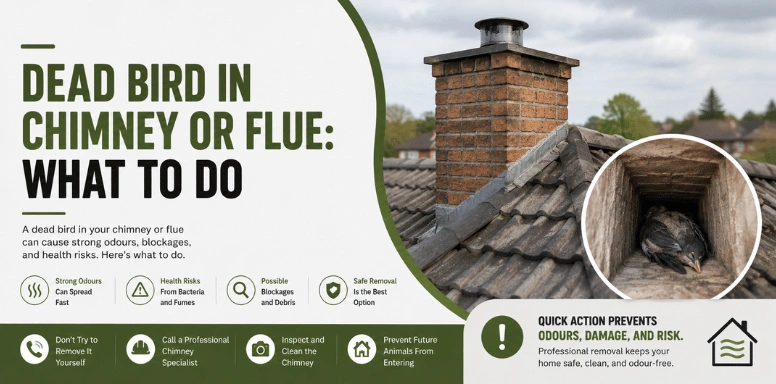
- Chimneys and flues. Birds and occasionally possums fall down and cannot climb out. The smell comes and goes with the draught.
- Under and behind the dishwasher, fridge and oven. Warm, dark, enclosed and rarely moved.
- Range hood ducting and bathroom exhaust ducting. Birds and rodents get in through poorly screened external vents.
- The evaporative cooling unit and ductwork. A carcass here distributes odour through the whole house whenever the system runs, which disguises the location completely.
- Under the deck, in the shed, behind the water tank, inside a disused barbecue. Outdoor sources drift in through open windows and get blamed on the house.
- Inside a car parked near the house. Rodents nest in engine bays, and the smell carries further than people expect.
- Solar panel gaps and box gutters. Common nesting spots, and both are out of sight from the ground.
When It Is Not an Animal
A few other problems present similarly, and they are worth ruling out before cutting access holes. A failed sewer vent, a carcass in a neighbour's roof, damp and mould in a wall cavity, rotting food behind an appliance and a dry drain trap can all read as decomposition to an unfamiliar nose.
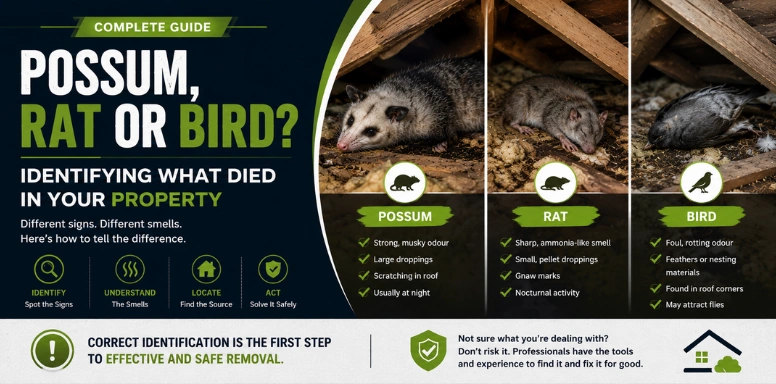
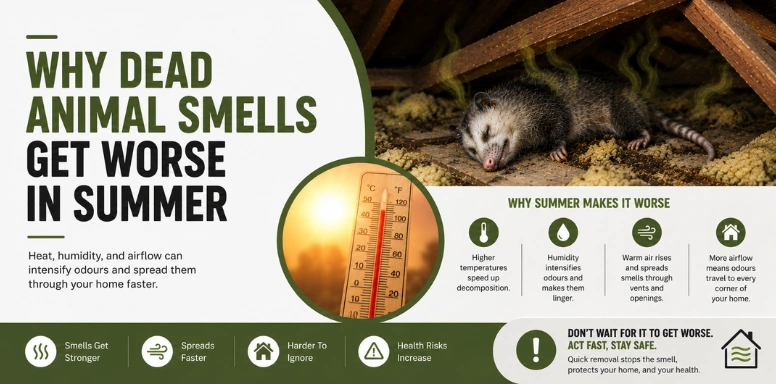
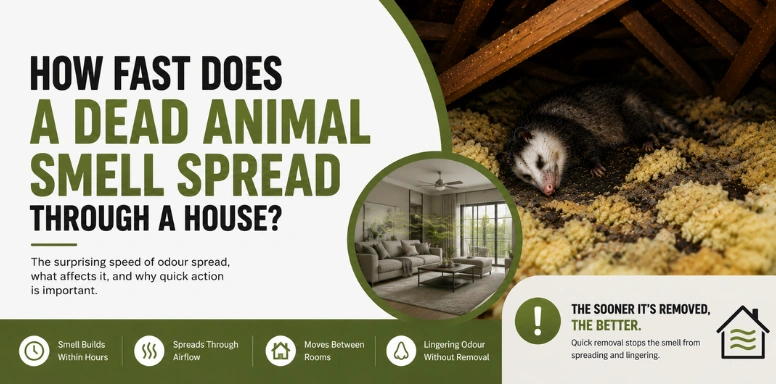
The distinguishing feature is time. Decomposition odour builds sharply over three to seven days, plateaus for a week or two, then declines. A smell holding exactly the same intensity for a month is more likely plumbing or moisture. Our guide to identifying a dead animal by smell and signs covers the differences.
When to Stop Searching
If you have worked through the list and still cannot place it, stop before you start opening up ceilings and walls on a guess. Unnecessary access holes are expensive to repair and rarely land in the right spot.
This is where detection equipment earns its keep. A technician works the odour gradient methodically, confirms a position with thermal and probe detection, and makes one small opening in the right place rather than several in the wrong ones. If you have been chasing a smell for more than a few days, contact Fresho Dead Animal Removal Melbourne and describe what you have noticed, where and when.