
Dead Animal Under the Deck: Homeowner Guide
Outdoor decking is a classic feature of Melbourne backyards, providing a perfect spot for family gatherings. However, the space beneath those timber boards is also highly appealing to local animals. It is dry, dark, protected from the wind, and safe from larger predators. When a possum, rat, or feral cat slips under your deck and dies, the resulting smell can quickly make your outdoor entertaining area unusable.
Signs of a Deceased Animal Beneath Your Deck
Unlike a roof cavity, where the smell is pushed down into the living space, an outdoor carcass releases odor directly into the open air. This can make detection slightly different, but there are clear patterns to look for:
- Fluctuating Odor: The smell will often seem mild in the morning but become intense as the sun warms the timber decking.
- Insect Activity: Blowflies hovering near specific gaps between the decking boards is a primary indicator of where the remains lie.
- Pet Behavior: Dogs or cats sniffing persistently at a particular seam in the timber, or attempting to scratch at the boards, are likely responding to the scent.
Finding the Source Under the Boards
Decks are often built low to the ground, leaving very little crawl space. This makes finding the source a physical challenge. Here is a step-by-step approach to safely locating the carcass:
- Use a Strong Torch: Shine a light through the gaps in the timber during the evening or on an overcast day to reduce shadows.
- Inspection Tools: An inspection mirror on an extendable rod can help you look around subframe supports without lifting boards.
- Identify Access Points: Look at the edges of the deck for dug-out soil or gapped fascia boards where animals might have entered.
Safe Extraction and Odor Treatment
Once located, retrieving the carcass requires care. If access is impossible from the sides, a few deck boards may need to be unscrewed. Avoid using brute force, as this can damage the timber structure. After removing the remains into a sealed bag, the soil below must be addressed. Soil absorbs decomposition fluids readily, meaning the smell can persist long after the animal is gone. Treating the ground with biological enzyme deodorizers is essential to break down the organic compounds rather than simply masking them with standard deodorants.
Preventative Measures for the Future
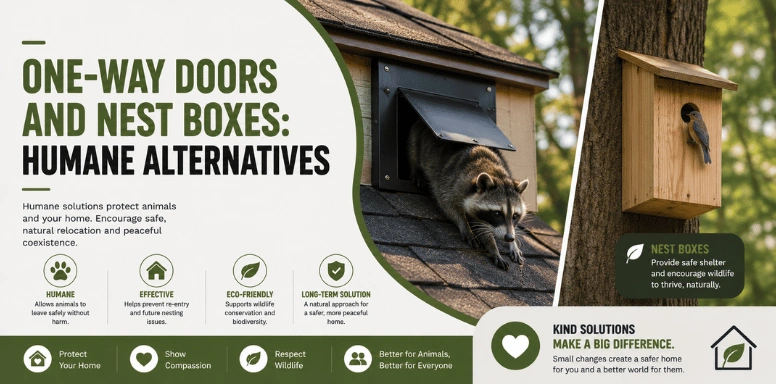
To ensure this does not happen again, blocking the sub-deck void is key. Installing heavy-duty wire mesh or timber plinths along the perimeter prevents animals from finding their way underneath. Ensure the mesh extends slightly below ground level to deter burrowing pests. A professional technician can assess these gaps and suggest the most effective barrier system for your deck design.