Possum, Rat or Bird? Identifying What Died in Your Property
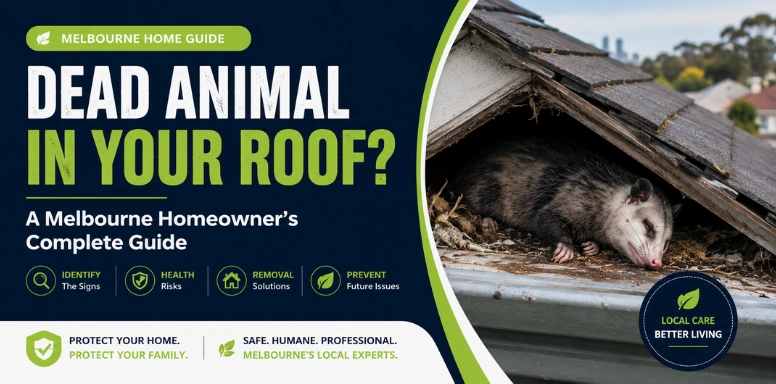
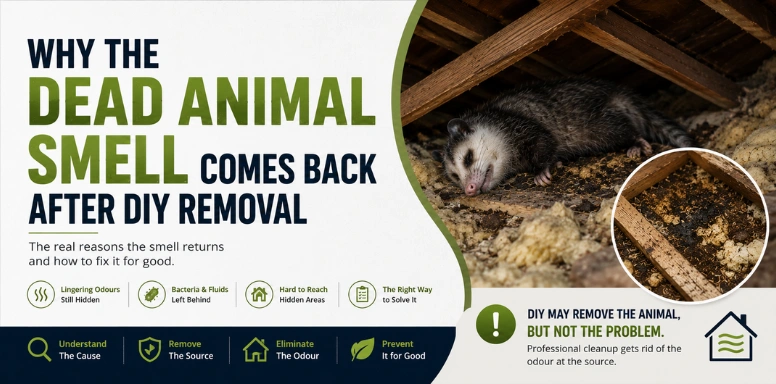
When someone calls to report a smell, the first thing a seasoned technician tries to work out is what died. It is not idle curiosity. The species determines where to search, how long the odour will persist, whether protected species requirements apply, and how much contaminated material is likely to need replacing. A surprising amount can be worked out over the phone, using evidence you have already noticed without realising it counted.
Start With Intensity and Duration
Body mass is the single most useful clue, because it drives both how strong the smell gets and how long it runs. Roughly, this is what each species produces:
- Mouse (around 20 grams): a noticeable but localised smell, usually confined to one or two rooms, peaking around day three or four and largely gone within two weeks. Many households never identify the source at all before it fades.
- Rat (200 to 500 grams): markedly stronger, spreads through much more of the house, peaks around day five to seven and commonly persists for three to four weeks. This is the most common single-source complaint we attend.
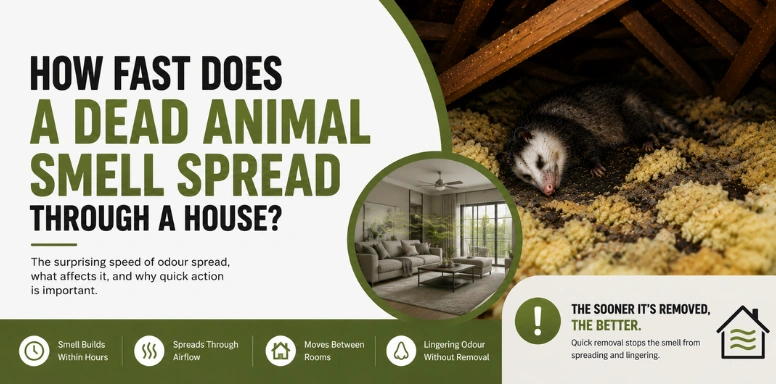
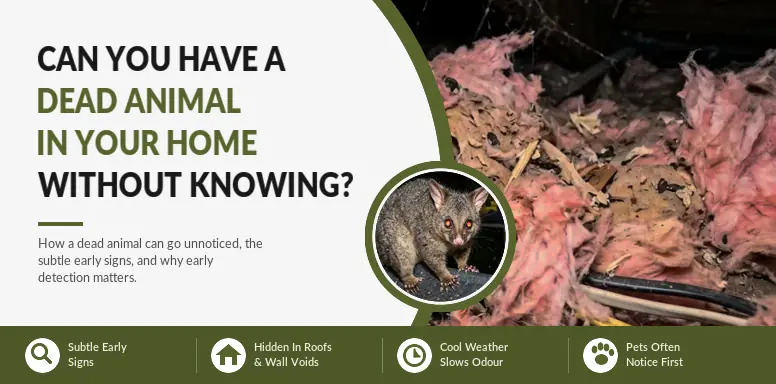
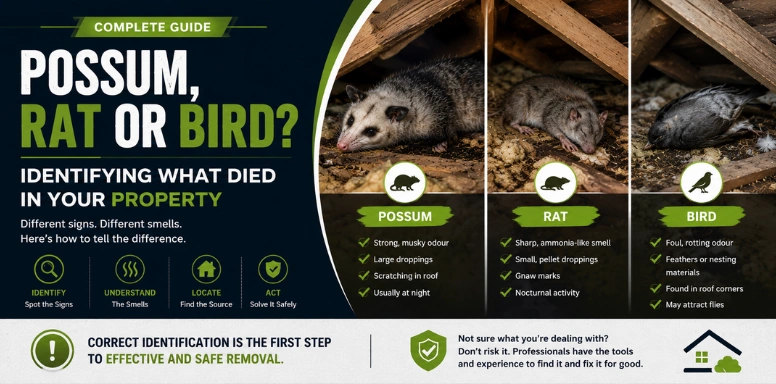
- Brushtail possum (3 to 5 kilograms): overwhelming rather than merely unpleasant. Frequently makes an entire storey unusable and without intervention can persist for six weeks or more. Households describe it as sweet and cloying rather than simply rotten, and it commonly triggers headaches and nausea.
- Birds: at the lighter end by mass, but they behave differently because of where they die and the parasites they carry.
- Cats and dogs: in the possum range or beyond, though these are usually found rather than searched for.
So the rough rule: a mild smell that faded within a fortnight was probably a mouse. A strong smell still going in week three is a rat. A smell severe enough that you have considered leaving the house is a possum or a pet.
The Noise History Before the Smell
What you heard in the weeks beforehand is often more diagnostic than the smell itself.
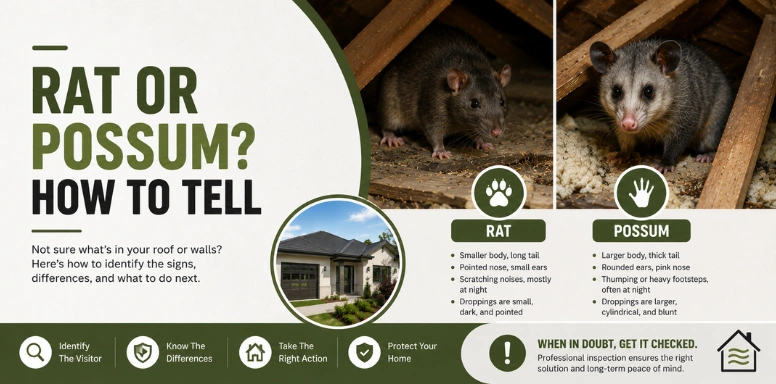
- Light, fast scurrying and scratching in the ceiling or walls, mostly just after dark and again before dawn, indicates rodents. Rats are noticeably heavier and slower than mice, and gnawing sounds point to rats specifically.
- Heavy thumping, distinct footfalls and dragging — what people invariably describe as someone walking around up there — is a possum. Loud hissing, coughing or screeching at night confirms it.
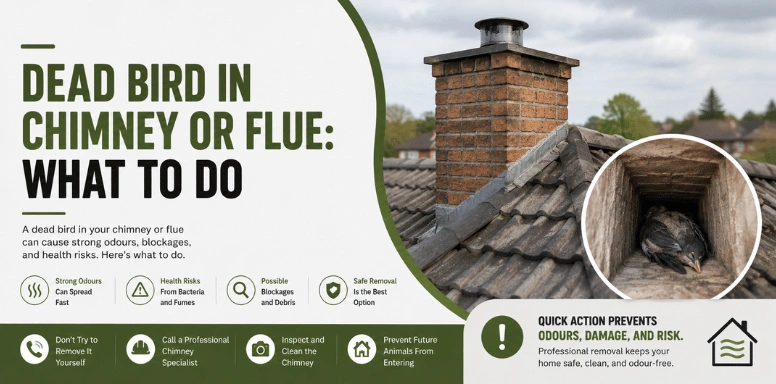
- Fluttering, scraping and chirping concentrated near a chimney, flue or eave, particularly in spring, indicates birds. Persistent scratching inside a flue is often a bird that has fallen in and cannot climb out, and is worth acting on immediately while the animal is still alive.
The critical detail is when the noise stopped. Activity for several nights and then sudden silence, with an odour appearing a day or two later, is the classic sequence and it usually means the animal died where it had been living.
Where the Smell Is Strongest
Location narrows the species considerably, because different animals die in different parts of a building.
Roof Cavity
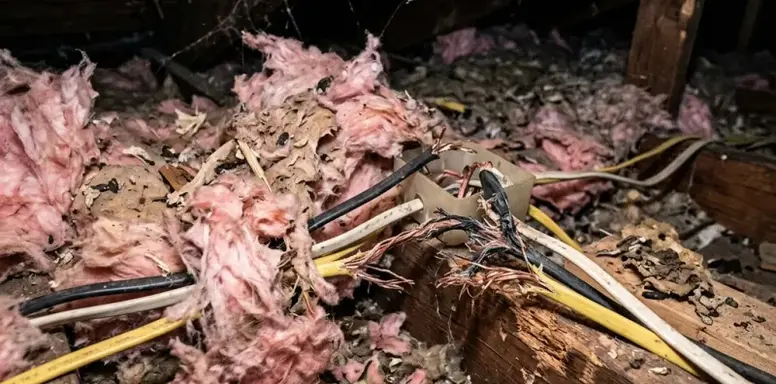
Smell strongest upstairs, worse in the afternoon, concentrated around downlights and ceiling vents. Possums, rats and birds all die there, so this one narrows the field least.
Wall Cavity
Smell localised to one wall at around knee height, strongest near power outlets and skirting boards. This is overwhelmingly rats and mice, because they are the ones small enough to travel inside stud bays.
Subfloor
Smell coming up through floorboards, worse at floor level, often with a damp earthy character. Rats, cats and occasionally possums die under houses.
Flue or Ducting
Smell tied to the fireplace or heating system and appearing only when the system runs. This is nearly always birds or possums.
Secondary Evidence
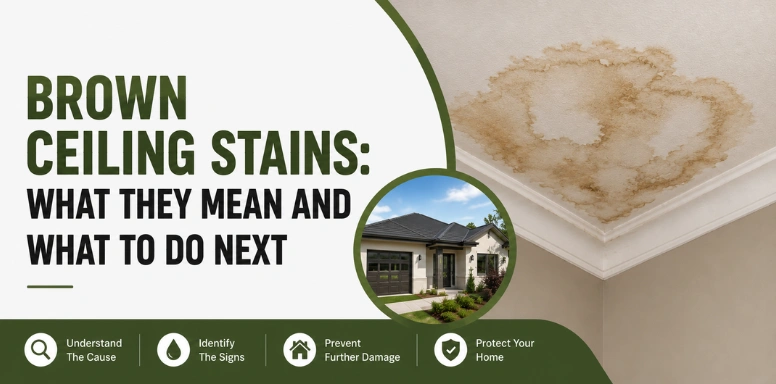
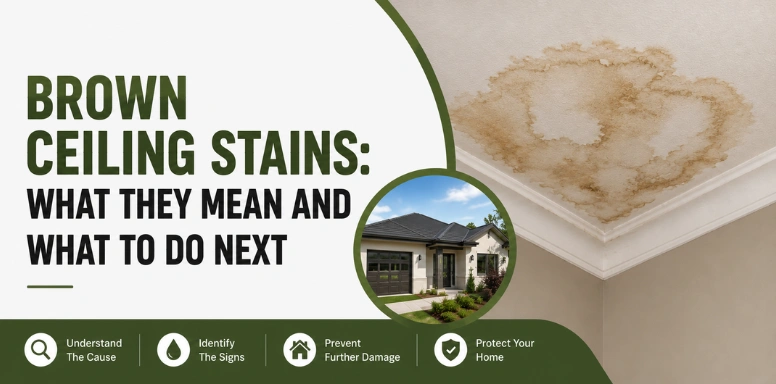
- Ceiling staining is a strong indicator of mass. A patch the size of a coin suggests a rodent. A patch the size of a dinner plate, sometimes with visible sagging plaster, means something possum sized. Large stains should be treated as urgent, because saturated plasterboard can eventually give way.
- Fly timing helps too. Blowflies appearing within two or three days indicates a larger carcass in a warm, accessible spot. Flies appearing only after a week suggests something small or well enclosed. Very heavy fly numbers point to a larger animal.
- A sudden flea problem is its own clue. Parasites abandon a cooling body in search of a new host. An unexplained flea outbreak alongside an odour usually means a mammal, most often a possum, rat or cat.
- Droppings, if you can see any safely. Rice grain sized with tapered ends means rats. Date or olive sized, deposited in one concentrated area, means possum.
Why the Species Changes the Job
Identification is not academic. It changes the work substantially.
- Rodents: the assumption is rarely one animal. Where one died, others were living, and there is usually nesting material and droppings requiring removal alongside the carcass. Bait cycles frequently produce several carcasses over a fortnight, in different cavities.
- Possums: protected native species requirements apply. Remaining live animals cannot simply be sealed in, and entry points must stay open until all activity has ceased. Their size also means far more contaminated insulation and a much higher likelihood of ceiling remediation.
- Birds: the specific risks are respiratory. Accumulated droppings alongside a carcass raise psittacosis and histoplasmosis concerns, and bird mites migrate into living spaces within days of the host dying. Proofing with mesh matters more than trapping.
- Pets: the job stops being pest control. Handling is unhurried and dignified, microchip scanning may be needed to identify an owner, and cremation or veterinary coordination is often part of the service.
A Quick Self-Assessment
Run through these five questions before you call. The answers are worth more than a walkthrough of the house.
- When did the smell start, and which room noticed it first?
- Is it getting stronger, holding steady, or fading?
- What did you hear beforehand, and when exactly did the noise stop?
- Is the smell worse at ceiling level, at skirting height, or through the floor?
- Is there a stain, and has it grown since you first saw it?
You Do Not Need to Get It Right
None of this requires you to identify the animal correctly before calling. Describe the smell, when it started, where it is strongest, what you heard beforehand and whether there is any staining. That is more than enough for a technician to arrive with the right equipment, the right containment and a realistic expectation of what they will find, which is what keeps the job to a single visit.