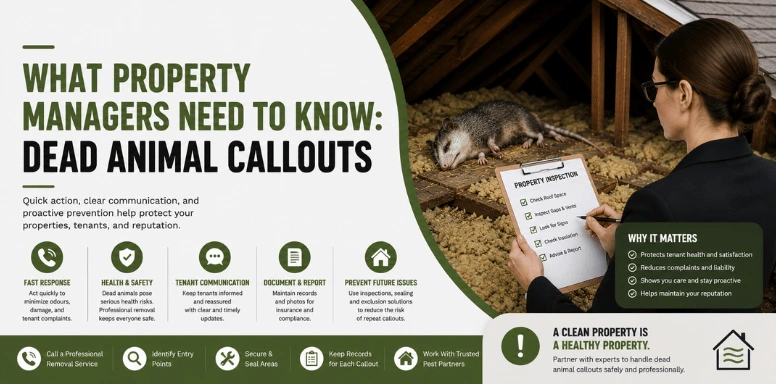
What Property Managers Need to Know: Dead Animal Callouts
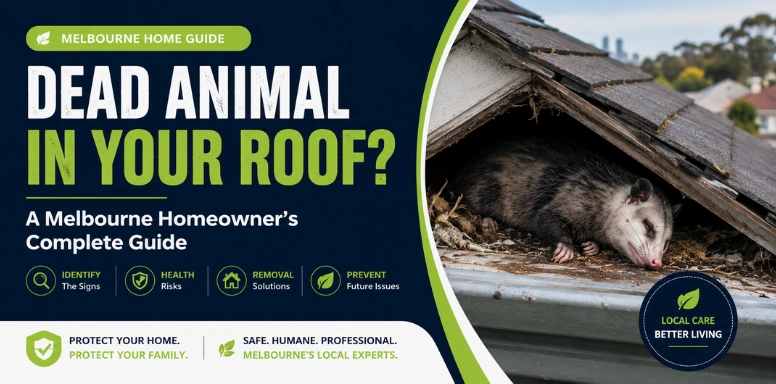
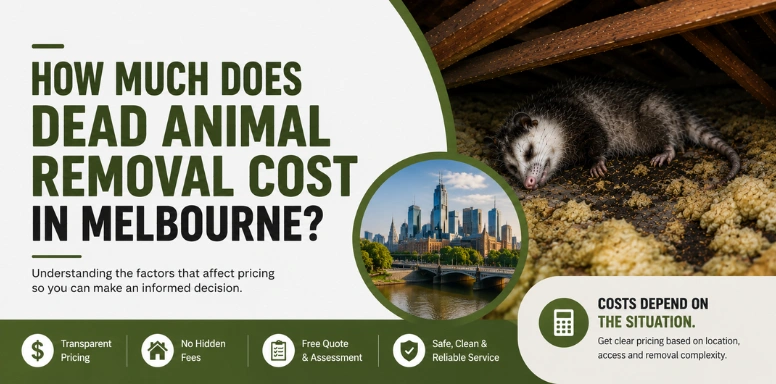
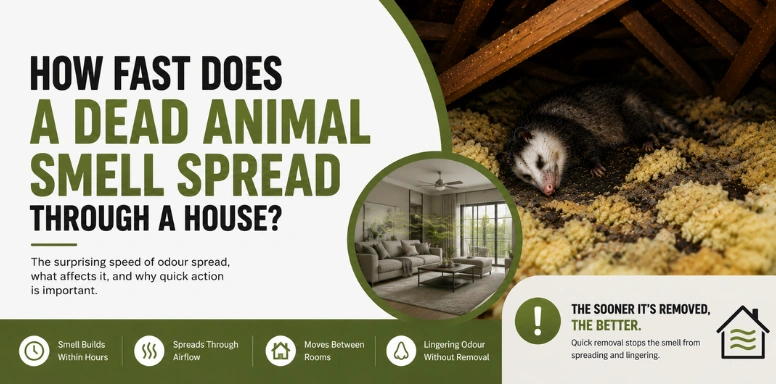
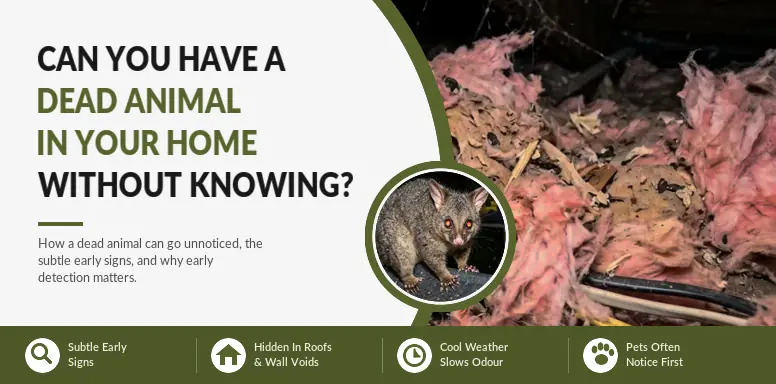
Managing residential rental properties in Melbourne involves handling a wide range of maintenance requests. Among the most time-sensitive are reports of unusual smells. A tenant complaining of a strong, offensive odor that suggests a dead animal in the roof or wall cavity requires prompt action. Delays can lead to tenant dispute claims, property damage from fluid stains, and severe air quality issues within the home.
Assessing the Initial Complaint
Before dispatching a trade professional, gathering details from the tenant can save time and reduce costs. Ask the tenant these four questions:
- Where is it strongest? Is it concentrated in one room, or does it seem to come through the ducted heating vents?
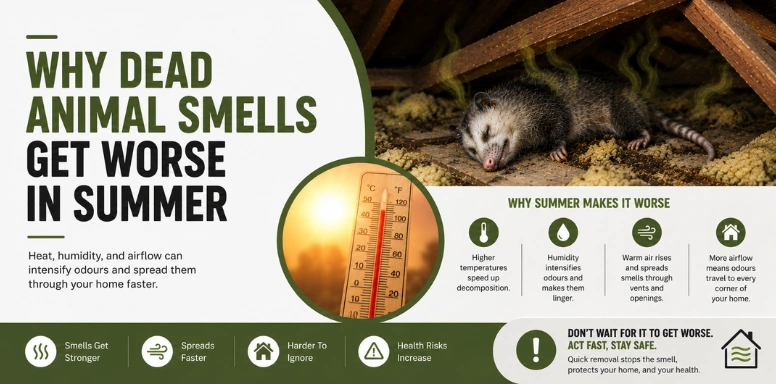
- When is it noticeable? Does the smell worsen in the afternoon heat?
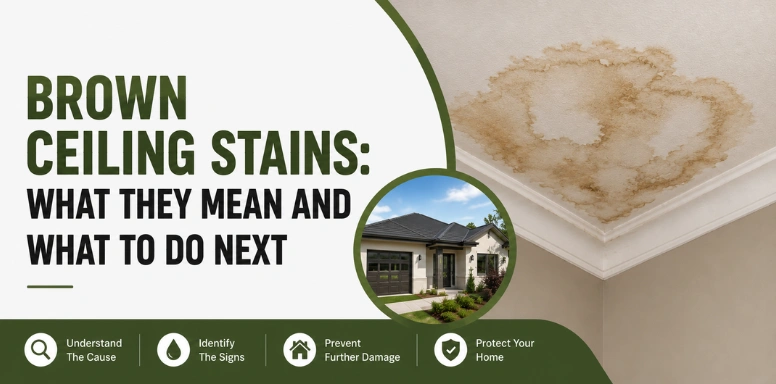
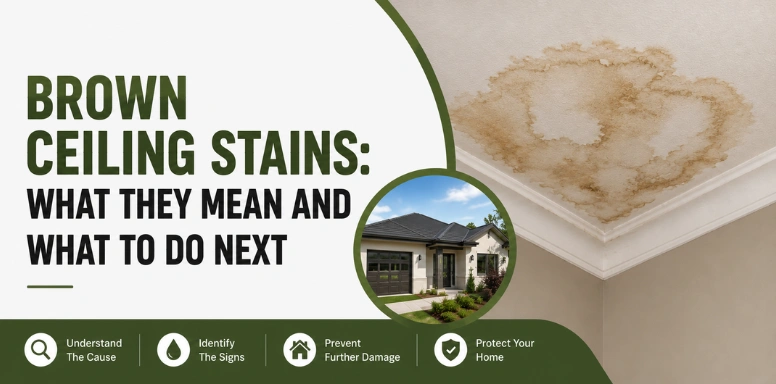
- Are there flies or stains? Sudden insect activity or a dark spot on the ceiling plaster points directly to a carcass.
- When did it start? A smell that builds rapidly over three days indicates decomposition, whereas a constant smell may be a plumbing issue.
Responsibility and Urgent Repairs
Under residential tenancy laws, landlords are responsible for maintaining the property in a clean and habitable condition. A dead animal inside the structure is generally treated as an urgent repair, as the odor can make the property unlivable. Tenants have the right to request immediate attendance. Prompt resolution prevents disputes and maintains a positive landlord-tenant relationship.
Selecting the Right Service Provider
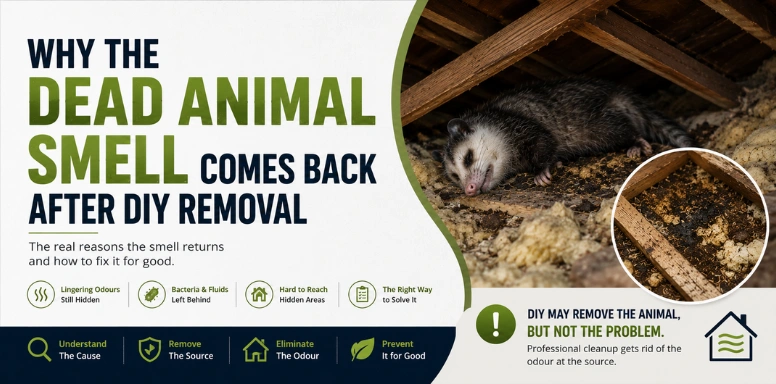
When arranging a work order, verify that the service provider offers a comprehensive solution. A basic removal is rarely sufficient. The service should include locating the animal without excessive damage, extraction, removal of contaminated insulation, thorough sanitizing of the area, and identifying the entry point. Skipping decontamination means the smell will persist, resulting in tenant complaints and additional service charges.
Reporting and Insurance Documentation
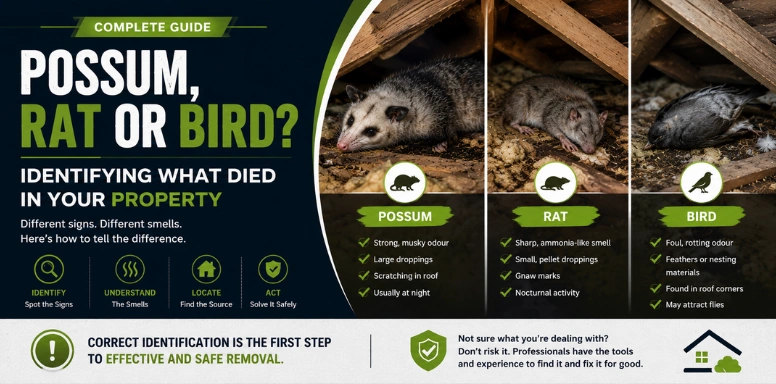
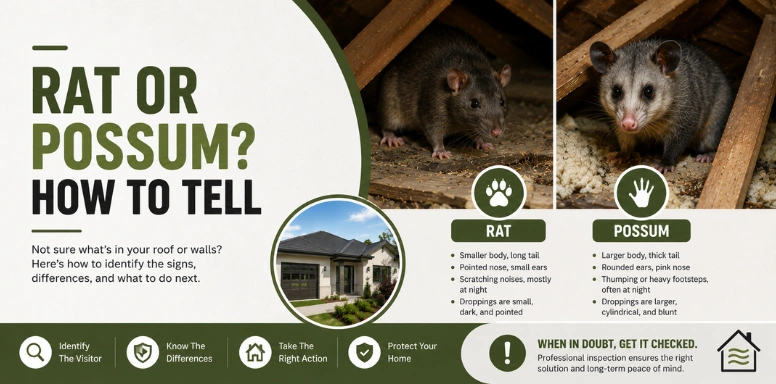
Property managers need clear documentation to justify maintenance expenditures to landlords and support insurance claims. Ensure the service provider supplies photographic evidence of the carcass, the location, any material removed, and the completed cleanup. A detailed report listing the species, entry point, and treatment steps taken provides the landlord with the clarity they need to approve invoices quickly.