Stains and Residue Left Behind by Dead Animal Decomposition: What They Mean
Once a dead animal has been located and removed, many homeowners are surprised to discover the job is not quite finished. Decomposition often leaves behind visible stains and residue that need their own specific attention. Understanding what these marks actually mean helps you gauge the scope of the remaining work, and why simply removing the carcass does not always fully resolve the situation on its own.
At Fresho Dead Animal Removal Melbourne, interpreting and properly addressing decomposition residue is a core part of every job we handle. In this guide, we will walk through the most common types of stains and residue left behind, what each one indicates, and how they should be properly treated.
Why Decomposition Leaves Physical Residue Behind
As an animal decomposes, its body releases fluids as tissue breaks down, a natural part of the decomposition process. These fluids contain bacteria, proteins and other organic compounds that can soak into surrounding surfaces, whether that is timber, insulation, plasterboard or flooring, leaving behind visible marks that persist well after the carcass itself has been removed.
Ceiling Staining: What It Indicates
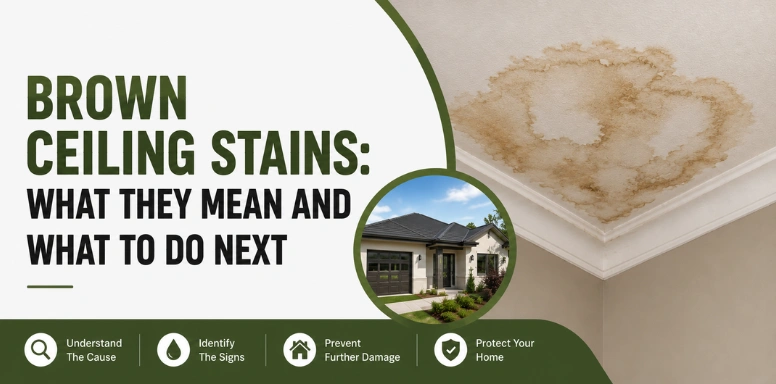
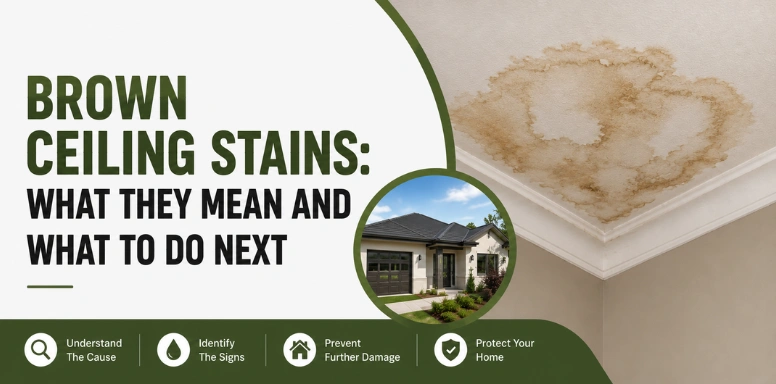
A yellowish or brownish patch developing on a ceiling is one of the most common signs of decomposition residue, occurring when fluids seep through plasterboard from a roof cavity above. The size and intensity of the stain generally correlates with the extent of fluid released, meaning a larger, darker stain often, though not always, indicates a larger animal or a longer decomposition period before discovery. Our guide on brown ceiling stains and what they mean covers how to tell a decomposition stain apart from ordinary water damage.
Wall Staining and What Causes It
Similar staining can appear on walls when an animal has decomposed within a wall cavity, with fluids seeping through plasterboard at the specific height where the carcass was located. Wall staining tends to be more localised and specific than ceiling staining, often providing a useful clue for narrowing down the exact location during inspection.
Dark, Oily Residue on Timber or Structural Surfaces
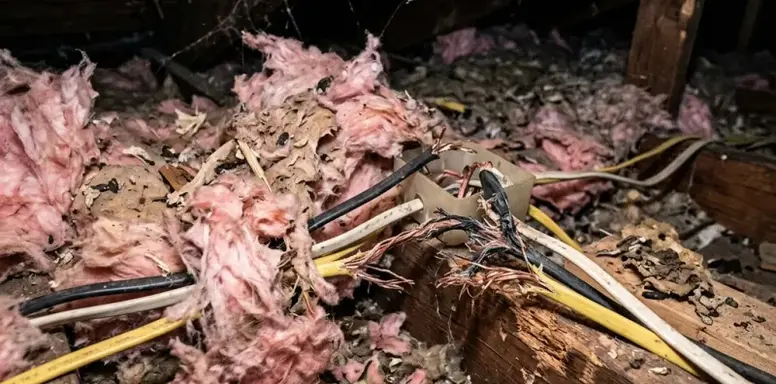
Timber framing and structural surfaces exposed to decomposition fluids can develop a dark, sometimes oily-looking residue where fluids have soaked into the wood grain. This residue can be particularly persistent, since timber is porous and can absorb contamination more deeply than non-porous surfaces, sometimes requiring more intensive cleaning or sealing to fully address.
Insulation Discolouration and Saturation
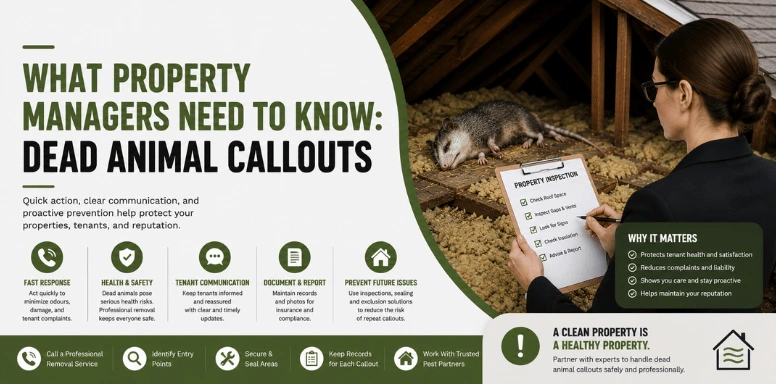
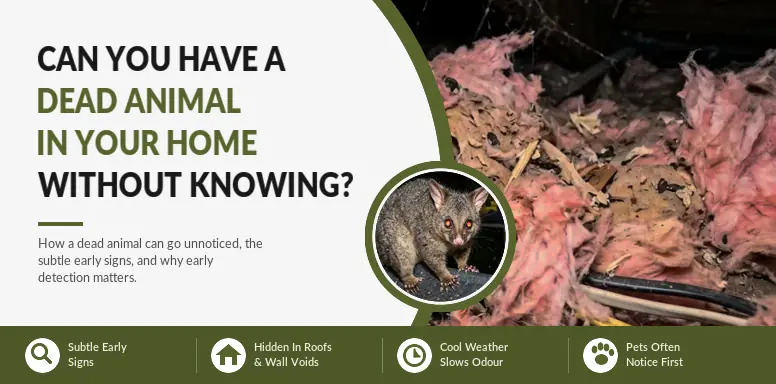
Insulation batts exposed to significant decomposition fluid often show clear discolouration and physical saturation, sometimes becoming compressed or matted in the affected area. This is common after a possum or rat has died in a roof space. Unlike some other surfaces, heavily saturated insulation often cannot be fully cleaned and restored, making replacement the more practical and effective solution for genuinely resolving associated odour.
Residue on Flooring or Subfloor Surfaces
In cases involving subfloor spaces, decomposition fluid can leave residue on flooring materials or subfloor surfaces, sometimes seeping between floorboards or into concrete pores if the subfloor is a solid slab. This type of residue often requires specific flooring-appropriate treatment, since the correct approach varies considerably depending on the specific flooring material involved.
Why Removing the Carcass Does Not Remove the Residue
It is a common misconception that once the animal itself is removed, any visible staining will simply fade or resolve on its own over time. In reality, these stains represent actual physical absorption of decomposition fluid into surrounding materials, meaning they generally require specific, deliberate treatment or, in some cases, material replacement to properly resolve, rather than fading naturally with time alone.
Melbourne's Climate and How It Affects Residue Formation
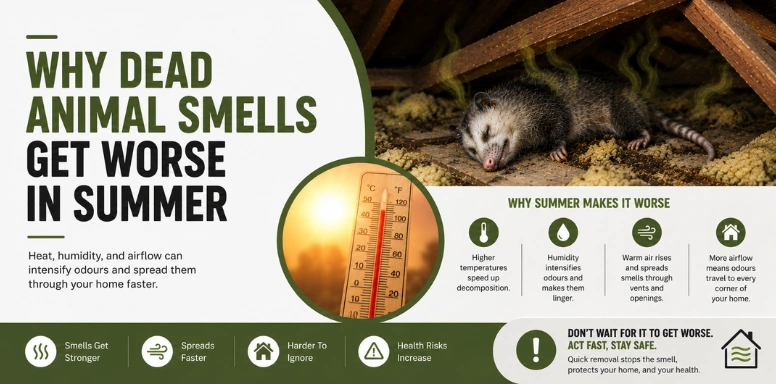
Melbourne's cooler, more variable climate compared to more tropical parts of Australia can slow decomposition somewhat, particularly during winter months, though this does not reduce the significance of residue once it has formed. Humidity fluctuations across Melbourne's seasons can still affect how noticeable lingering odour from residue becomes, particularly during warmer, more humid stretches of the year, meaning residue that seems minor in cooler months can become more noticeable as conditions change.
Distinguishing Fresh Residue From Long-Standing Contamination
Fresh residue, from a recently discovered and removed animal, often appears as a distinct, still slightly damp mark with a stronger, more immediate odour. Long-standing contamination, from a situation left unaddressed for an extended period, tends to appear as a more established, often drier stain with residual bacterial odour that persists independently of visible dampness, requiring correspondingly different treatment approaches.
How Professionals Assess Residue Severity
During inspection, technicians assess residue by considering staining size and intensity, whether the affected material feels damp or saturated to the touch, and how porous the specific material is, since more porous materials like timber and insulation absorb contamination more deeply than non-porous surfaces like sealed concrete or tile.
Treatment Options Based on Residue Type
- Light surface staining on plasterboard: often resolved with cleaning and, if needed, repainting.
- Moderate timber residue: typically requires enzyme-based cleaning and, in some cases, sealing.
- Saturated insulation: generally requires replacement rather than cleaning.
- Flooring or subfloor residue: treatment varies by material, sometimes requiring purpose-built, floor-specific products.
- Severe structural saturation: may require professional assessment of whether any material replacement is needed beyond surface treatment.
Why Odour Can Persist Even After Visible Residue Is Cleaned
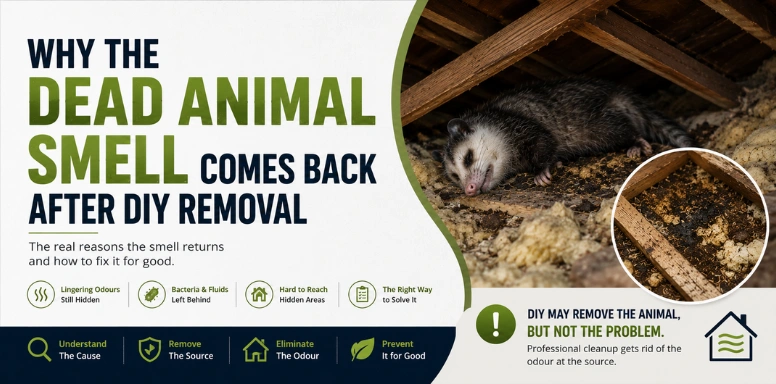
Even after visible staining has been addressed, bacteria within the affected material can continue producing odour if not specifically treated with enzyme-based solutions. This is why professional deodorisation typically goes beyond simply cleaning visible marks, targeting the underlying bacterial contamination that causes ongoing smell, regardless of whether it is visually apparent. We cover this in more detail in our article on why a dead animal smell comes back.
Why Professional Assessment Beats Guesswork
Given how much treatment recommendations vary depending on material type, contamination depth and how long residue has been present, attempting to assess and treat significant residue without professional experience often leads to incomplete results. What might look like a manageable surface stain to an untrained eye can sometimes indicate more significant absorption beneath the visible surface, something a professional inspection is specifically equipped to identify.
How This Connects to the Full Removal Process
Understanding residue is just one part of the bigger picture when it comes to resolving a dead animal problem properly from start to finish. Our sister site's detailed guide on Dead Animal Removal Brisbane: What to Expect From a Professional Service walks through the complete process, from initial inspection and safe removal through to the deodorisation and residue treatment covered in this article.
What Homeowners Should Do If They Notice These Signs
If you notice staining or unusual residue following a dead animal situation, whether from a professional removal or a previous DIY attempt, it is worth having the affected area properly assessed rather than assuming it will resolve on its own. Addressing residue promptly generally prevents more extensive, costly treatment down the track, particularly for porous materials that continue absorbing and retaining contamination the longer they are left untreated.
How Residue Affects Property Value and Presentation
For homeowners preparing to sell or lease a property, unresolved staining can raise questions during inspections about the property's overall maintenance history, even after the original odour issue has been resolved. Properly addressing both the visible residue and any underlying bacterial contamination helps ensure the property presents well and avoids unnecessary buyer or tenant concerns.
Frequently Asked Questions
1. Will ceiling staining from a dead animal go away on its own?
No, staining represents actual fluid absorption into the plasterboard and generally requires cleaning or repainting to resolve, rather than fading naturally over time.
2. Does the size of a stain indicate how big the animal was?
Often, yes, though it is not an exact science. Larger, more intense staining generally correlates with a larger animal or a longer decomposition period before discovery.
3. Can insulation be cleaned instead of replaced after decomposition contamination?
Lightly affected insulation may sometimes be treated, but heavily saturated insulation generally cannot be fully restored and is usually better replaced for complete odour resolution.
4. Why does my house still smell after visible stains have been cleaned?
Bacteria within affected materials can continue producing odour even after visible marks are addressed, which is why enzyme-based deodorisation targeting the underlying contamination is important.
5. Should I be concerned about residue affecting my property's value?
Unresolved staining can raise questions during property inspections, so it is worth properly addressing both visible residue and underlying contamination, particularly ahead of selling or leasing.
6. Can I tell how long ago an animal died just from looking at the residue?
Experienced technicians can often make a reasonable estimate based on staining intensity, dampness and odour characteristics, though this is not always an exact science and can vary based on conditions.
Final Thoughts
Stains and residue left behind by dead animal decomposition are a genuine, physical sign of fluid absorption into surrounding materials, not something that resolves on its own once the carcass is removed. Understanding what these marks indicate, and ensuring they are properly treated rather than simply cleaned on the surface, is essential for fully resolving both the visible issue and any underlying odour.
If you have noticed unusual staining or residue in your Melbourne home following a dead animal situation, contact Fresho Dead Animal Removal Melbourne today for a thorough assessment and proper treatment.