Dead Bird in Chimney or Flue: What to Do
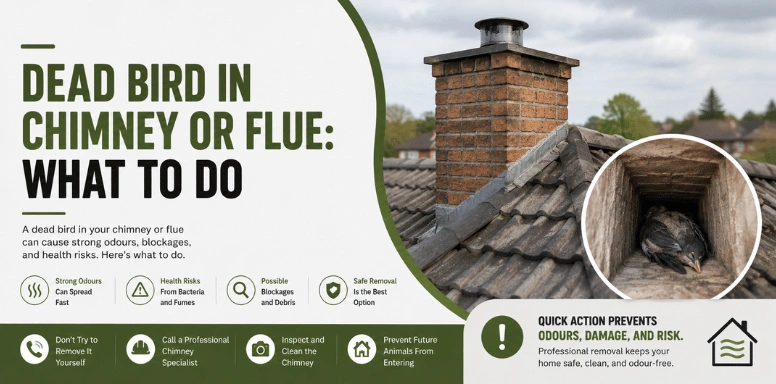
Chimneys and heating flues are common nesting sites for Melbourne birds, particularly starlings and feral pigeons. Unfortunately, these structures can easily become traps. A bird landing on the rim of an unsealed chimney cowl can slip, fall down the vertical shaft, and find itself unable to climb or fly back out due to the narrow space. When a bird dies within the chimney flue, the resulting smell and the risk of secondary pest infestations can quickly spread into your living spaces.
Signs of a Deceased Bird in Your Chimney
You will usually notice several indicators when a bird has become trapped and died in your fireplace structure:
- Sooty Odor: The smell of decomposition combined with soot has a distinct, heavy, and oily character that is hard to mistake.
- Flies in the Hearth: Blowflies appearing inside the fireplace or room, even when the damper is closed, suggests they are breeding on a carcass nearby.
- Debris Falling: Twigs, feathers, and nest material dropping down onto the grate or behind the gas logs often accompany a trapped bird.
The Extraction Process
Retrieving remains from a vertical flue can be complicated depending on the fireplace design. For open brick fireplaces, the bird may be resting on the damper plate or the smoke shelf just above the lintel. For modern gas fireplaces or wood heaters with steel flues, the unit itself may need to be partially disassembled to access the bottom of the flue. It is important to wear a respirator and protective gloves, as soot and nesting materials contain high levels of dust and allergens.
Addressing Nesting Material and Bird Mites
Removing the bird is only the first step. Birds almost always bring nesting material with them, or build nests in the flue beforehand. This material must be completely cleared out. Dry nests frequently harbor bird mites (tiny parasites that seek new hosts when the bird dies) and bird lice. A thorough application of sanitizing agents and insecticide inside the chimney throat is necessary to neutralize these pests and eliminate lingering smells.
Preventative Chimney Solutions
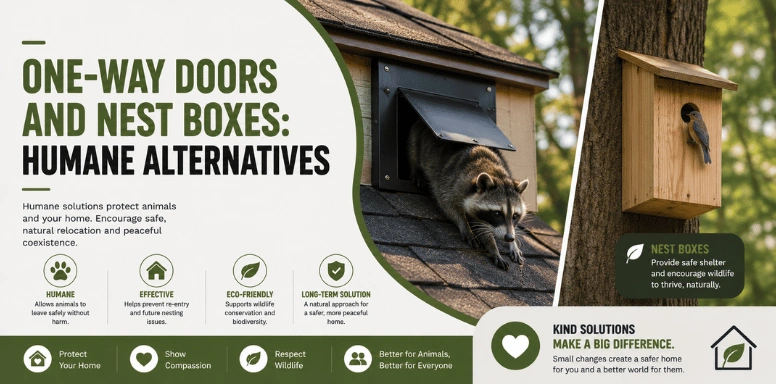
The most effective way to prevent future bird entry is to seal the top of the chimney. Installing a stainless-steel chimney cap or a mesh cowl allows smoke to vent safely while keeping birds and other animal out. Make sure the mesh size is small enough to exclude nesting species. A technician can inspect the top of your flue and install a secure barrier that fits your chimney style.